

Find Your Training Content
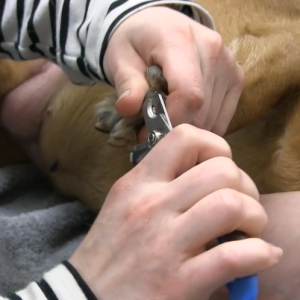
Tips for Canine Nail Trims
DoveLewis Technician Kara Prater, CVT, review tips and tricks for safely trimming dog nails.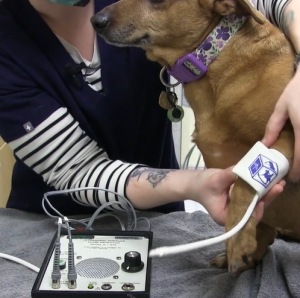
Improve Accuracy of Doppler Blood Pressure Monitoring
Getting an accurate blood pressure measurement using a Doppler can be tricky. Learn from DoveLewis Technician Kara Prater, CVT, about how to troubleshoot common issues for better accuracy.
Teratoma Review
Learn from Surgeon Andrea Sundholm, DVM, DACVS-SA, about a recent patient that presented to DoveLewis and was diagnosed with a teratoma.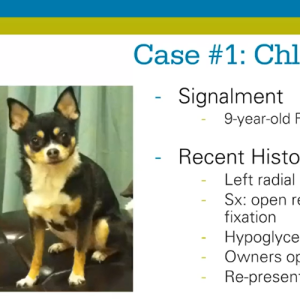
The Greatest Pretenders: Challenging Adrenal Insufficiencies
Adrenocortical insufficiency can be life threatening and may be difficult to identify. This is because of a multitude of factors including uncommon patient signalments, vague clinical signs, normal hemograms, co-morbidities, and variances in types of…
Canine Cardiomyopathy
Explore the causes of myocardial dysfunction in dogs and the common associated symptoms with Veterinary Cardiologist Caryn Reynolds, DVM, DACVIM (Cardiology). Learn more about diagnostic testing options and the current medical treatments available for…
Hospital-acquired Conditions and Complications
When providing care for the critically ill patient, secondary conditions and complications are likely to occur. A lack of uniformed reporting in veterinary medicine leaves us with little…
Making PMMA Beads with Amikacin
Surgeon Coby Richter, DVM, DACVS, demonstrates how to make PMMA antibiotic-impregnated beads with the surgery team at DoveLewis.
Hospital-acquired Conditions and Complications Part Four: Gastrointestinal Complications
Sarah Harris, CVT, VTS (ECC) discusses gastrointestinal complications in the hospitalized patient. While some cannot be avoided, there are some preventative measures veterinary nurses can take to minimize the severity and frequency of these…
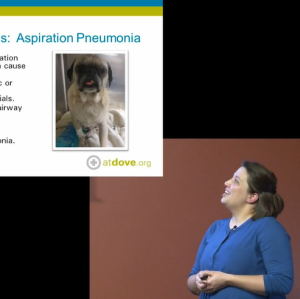
Hospital-acquired Conditions and Complications Part Three: Aspiration Pneumonia
Respiratory complications such as aspiration pneumonia in the hospitalized patient can be a common finding. Learn from Sarah Harris, CVT, VTS (ECC) about recognizing early signs and preventative measures for patients at your hospital.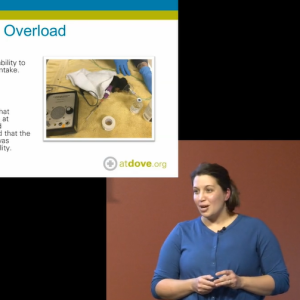
Hospital-acquired Conditions and Complications Part Two: Fluid Overload
Fluid therapy is an essential component to emergency, critical care and surgical interventions. In this video, Sarah Harris, CVT, VTS(ECC) discusses how to recognize which patients are most at-risk, and the veterinary nurse's role in recognizing signs…